
Your Closing Date may be a Moving Target
Understanding the Closing Date is driven by Inspection, Weather, Aircraft Location, Insurance, Repairs, and, and, and . . . . . .
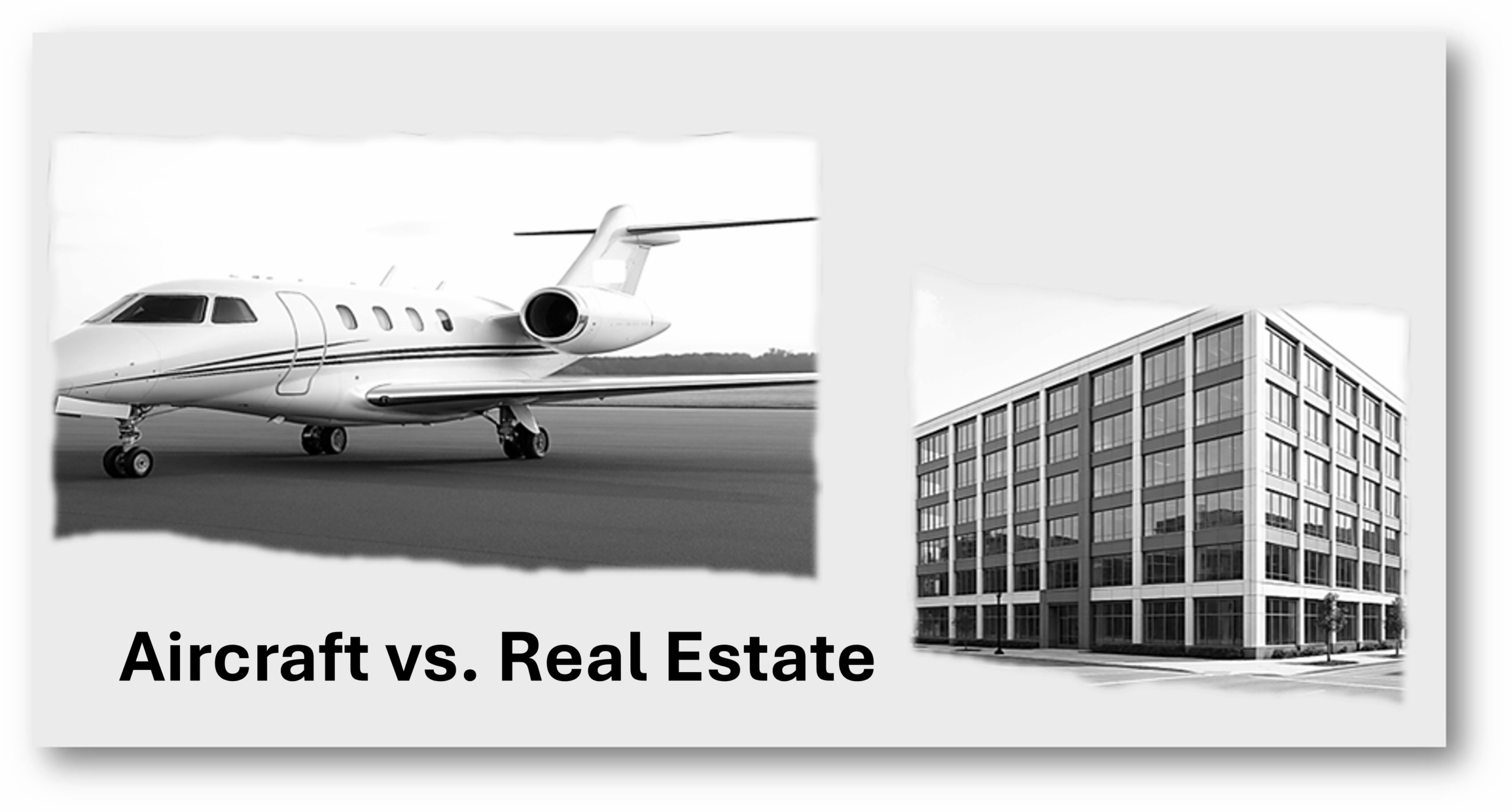
Our perceptions do not develop in a vacuum; they are shaped over time by the cumulative impact of our experiences, environments, and interactions. Every success, setback, and observation creates a framework through which we interpret new situations, effectively setting the baseline for what we anticipate going forward. In that sense, expectations are not random or isolated reactions, they are informed by the patterns we have internalized and the narratives we have come to trust. As a result, the way we approach people, opportunities, and outcomes is often less about the present moment alone and more about the conditioning effect of everything that has preceded it. This is true when it comes to the purchase of aircraft and I often see the influence of real estate purchase experiences, especially on first-time aircraft buyers.
At a high level, aircraft and real estate transactions follow a familiar pattern: LOI/offer, inspection, findings, negotiation, and closing. Both assets can be purchased “as-is,” and in both cases inspections may uncover minor issues or significant concerns. Where the transactions begin to diverge is not in the existence of problems, but in how often those problems materially affect the buyer’s ability to use the aircraft after closing, and the fluidity of the closing date itself, as aircraft transactions are highly nuanced compared to stationary real estate transactions. The closing date is often a moving target.
Real Estate transactions will often have inspection findings, such as structural concerns, deferred maintenance, or code issues, that typically influence price, repair obligations, or long-term usability. While extreme cases can render a property uninhabitable, those outcomes are comparatively infrequent, and the buyer generally retains flexibility in how and when to address the issues. The asset remains transferable and, in many cases, usable in some capacity despite its condition, so a scheduled closing date will likely be met irrespective of potential pending repairs.
Aircraft transactions operate differently because inspection findings are far more likely to intersect directly with regulatory compliance. A pre-buy or maintenance inspection routinely evaluates airworthiness under 14 CFR § 91.7, inspection status under § 91.409, and maintenance record integrity under 14 CFR § 43. Findings in these areas can immediately render the aircraft legally inoperable unless corrected and properly signed off, with a “return to service” authorization, regularly included in a purchase agreement as a condition of delivery. As a result, inspection outcomes in aviation do not just influence value, they frequently determine whether the aircraft can be used at all, and therefore whether the transaction can realistically proceed on the expected timeline.
How Inspection Results Drive the Transaction
Factor |
Real EstateTransaction |
AircraftTransaction |
| Role of Inspection | Primarily economic (price and repairs) | Economic and regulatory gatekeeper |
| Frequency of Minor Findings | High | High |
| Frequency of Use-Eliminating Findings | Relatively low | Relatively high |
| Effect of Serious Defects | Impacts value and habitability | May render aircraft unairworthy and legally inoperable |
| Ability to Close “As-Is” | Common and straightforward | Common, but does not resolve regulatory compliance |
| Post-Closing Use | Often still possible despite defects | May be prohibited until compliance is restored |
| Regulatory Overlay | Local codes, often deferred or enforced over time | Immediate federal compliance required (FAA) |
| Inspection Impact on Timing | Moderate variability | High variability due to maintenance, parts, re-checks, and signoffs |
| Dependency on Third-Party Sign-Off | Limited | Critical (A&P/IA, repair stations, logbook entries) |
Managing Closing Date Expectations
In aircraft transactions, the closing date should be viewed as a target, not a fixed date…the expectation of a fixed date is a recipe for frustration and disappointment. Unlike real estate, timing is often driven by operational and regulatory readiness rather than calendar commitments.
Even in well-managed deals, closing can shift due to factors such as:
-
- Maintenance findings requiring additional inspection, repair, or parts sourcing
- Availability of maintenance facilities and technician sign-offs (A&P/IA)
- Aircraft positioning and flight logistics (delivery location determines taxation)
- Weather or operational delays
- Pilot or crew availability for repositioning or delivery
- Logbook review issues or documentation gaps for insurance, maintenance transfer, etc
- Coordination of escrow, registration, or regulatory filings
The practical approach is to move toward closing with urgency, but not fixation. In aviation, readiness, mechanical, regulatory, and documentary controls tend to set the pace. A short delay to ensure proper return-to-service status and complete records is routine; forcing a closing before those elements are in place can create significantly greater risk.
Bottom Line:
Both real estate and aircraft transactions depend on inspection outcomes, and both can involve significant defects. The practical difference is frequency and consequence: aircraft inspections are far more likely to uncover issues that must be resolved before the asset can be used at all. That dynamic-driven by regulatory compliance and operational safety, makes inspection results a central, and often controlling factor in aviation transactions in a way that is less common in real estate. Closing dates, accordingly, should be managed as targets shaped by those realities, not fixed indicators of transactional success or failure.